
The Murad Code in practice
This page presents a small selection of resources, including policy documents, guidelines and manuals, training materials, organisational protocols, academic articles, podcasts and other examples of practice, which show how a range of actors have put the Murad Code or associated project resources into action in their own work or otherwise used them to inform their work.
The concept of a ‘code of conduct’ varies across languages, cultures and professional contexts. In many settings, such codes are formally mandated and overseen by professional institutions. The Murad Code differs in this respect. While it is grounded in international law, it is not legally binding and is not monitored by any governing institution. Instead, it is intended for voluntary adoption by individuals and organisations, who can use it to shape and sustain a culture of practice in which adherence to the standards of the Code is expected, and accountability - to oneself, to partners and to team members - is actively maintained.
A resource’s listing on this page does not necessarily signal the Murad Code project’s endorsement of how that resource describes or uses the Code or associated project resources.
-
Organisational Integrity Protocol
-
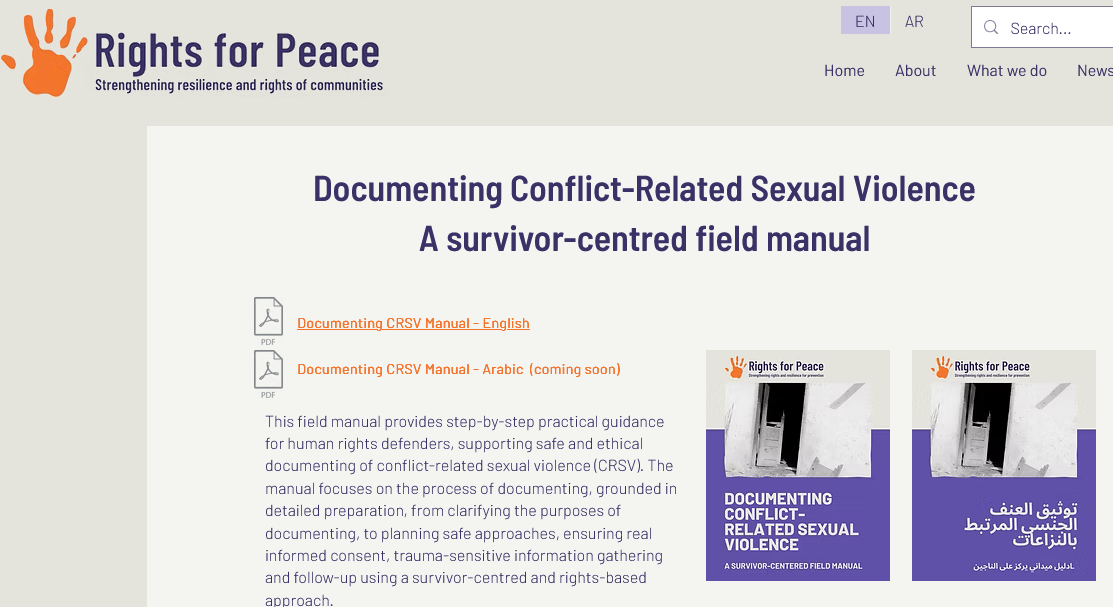
Documentation Manual
-
Toolkit
-
Tool (Interviewing)
-
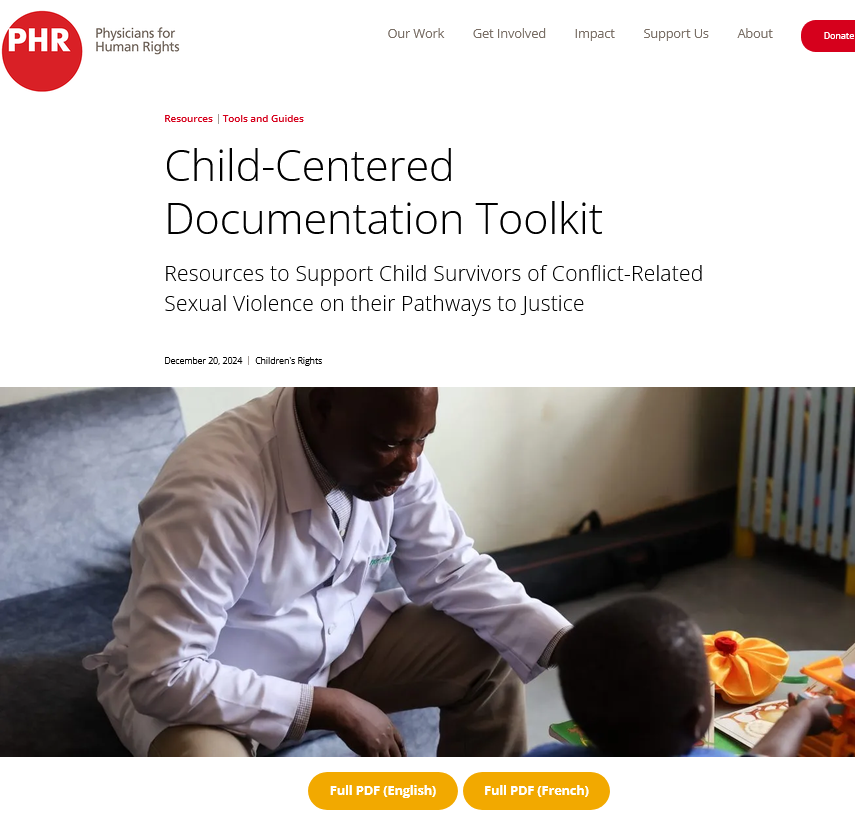
Documentation Toolkit (Children)
-
Toolkit (Stigma Toolkit for Justice)
-
Investigation Guide (Syria)
-
Manual (Investigative Standards for Documenting International Crimes in Ukraine)
-

Guidelines (Media: Reporting on CRSV)
-

Guide (Media: Investigating War Crimes)
-
Media (Gender Equality Policy in Media Content)
-
Legal Practice Guidelines
-
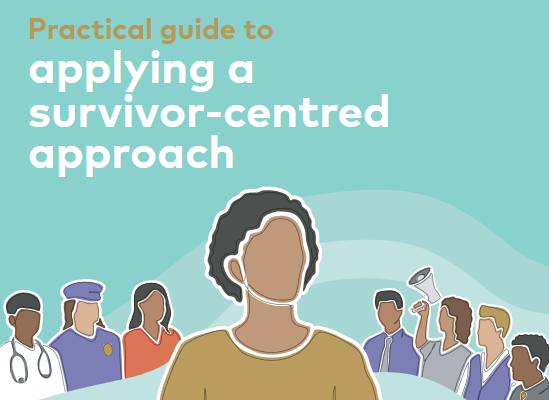
Guide: Applying Survivor-Centred Approach
-
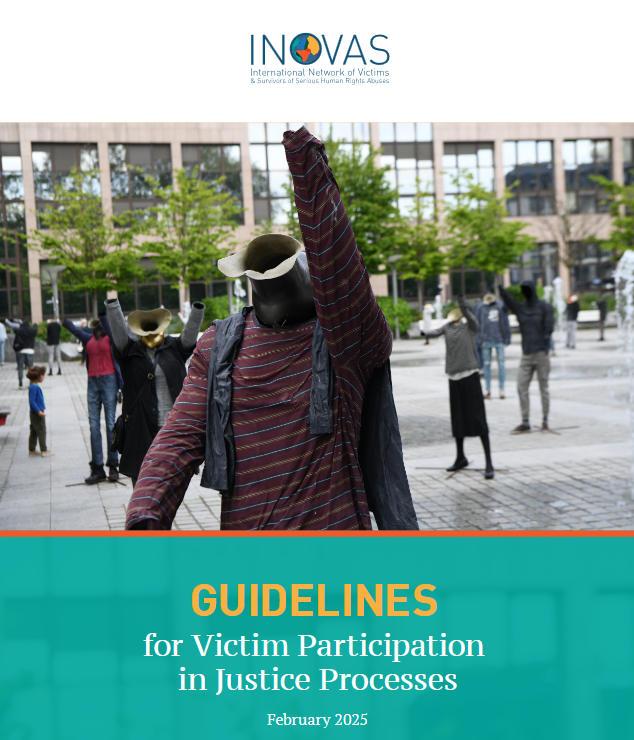
Guidelines: Victim Participation in Justice Processes
-
Recommendations (Ethical Investigations by Special Jurisdiction for Peace (JEP))
-
Recommendations: Representing CRSV Survivors
-
Recommendations: Representing CRSV Survivors
-
Legal Guidebook (State Obligations re CRSV)
-

Guide (Using Video to Support Justice & Accountability)
-
Guide (Intersectional Justice)
-
Guidance (Tracking Suspects)
-
NGO Documentation Methodology
-

National Human Rights Commission (Gambia) Note
-
ICC OTP Policy on Gender-Based Crimes
-
ICC Victims' Strategy Seminar (Summary)
-
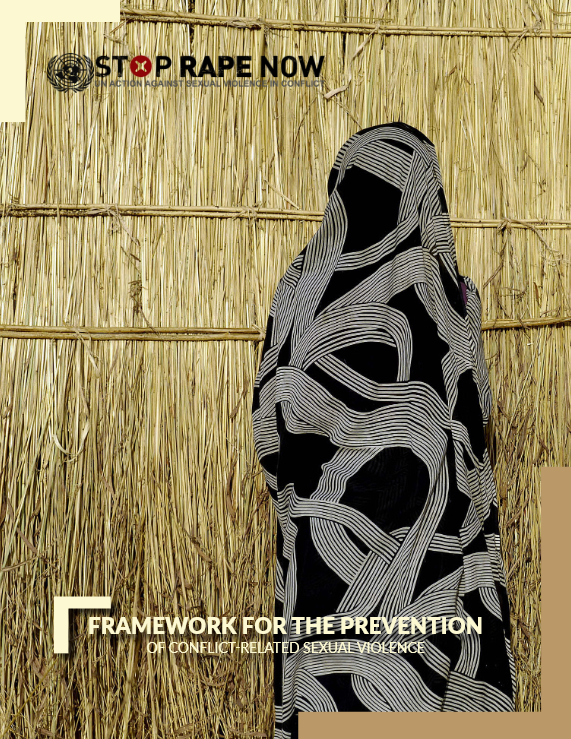
UN Action Framework for Preventing CRSV
-

UNICEF Technical Brief (Children, Access to Justice)
-
Policy & Practice Paper
-
National Policy Implementation Plan
-
UN CEDAW Recommendations to State
-
UN Special Rapporteur on Torture Recommendations to States
-
National Policy Commitments
-

International Pledge and Action Plan
-
Statement of Action
-
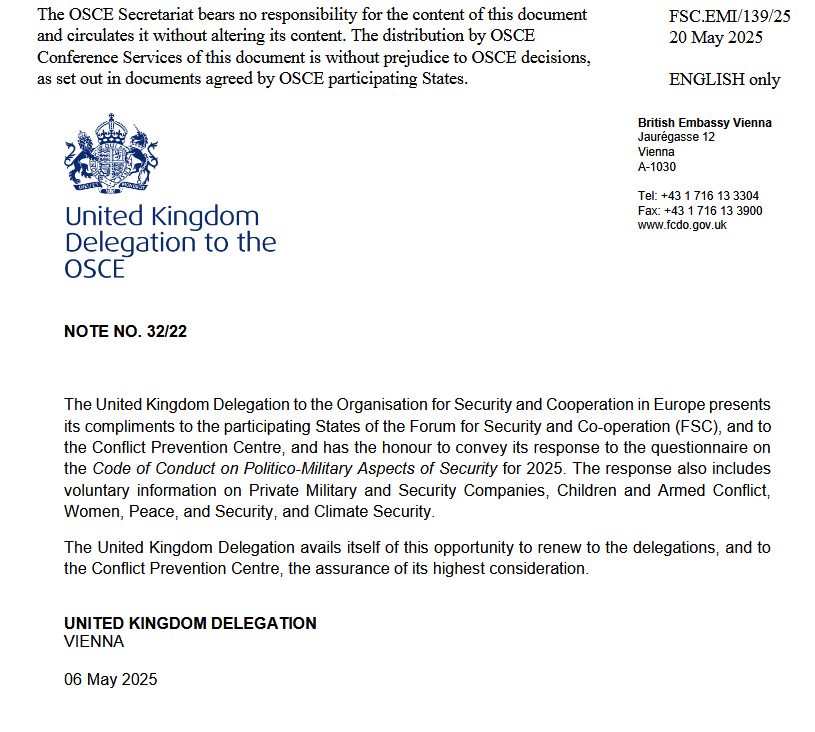
Defence Forces Response to SCRSV (Government Submission)
-

Brussels Declaration (Empowering Women in Conflicts)
-
Lessons Learned Paper
-
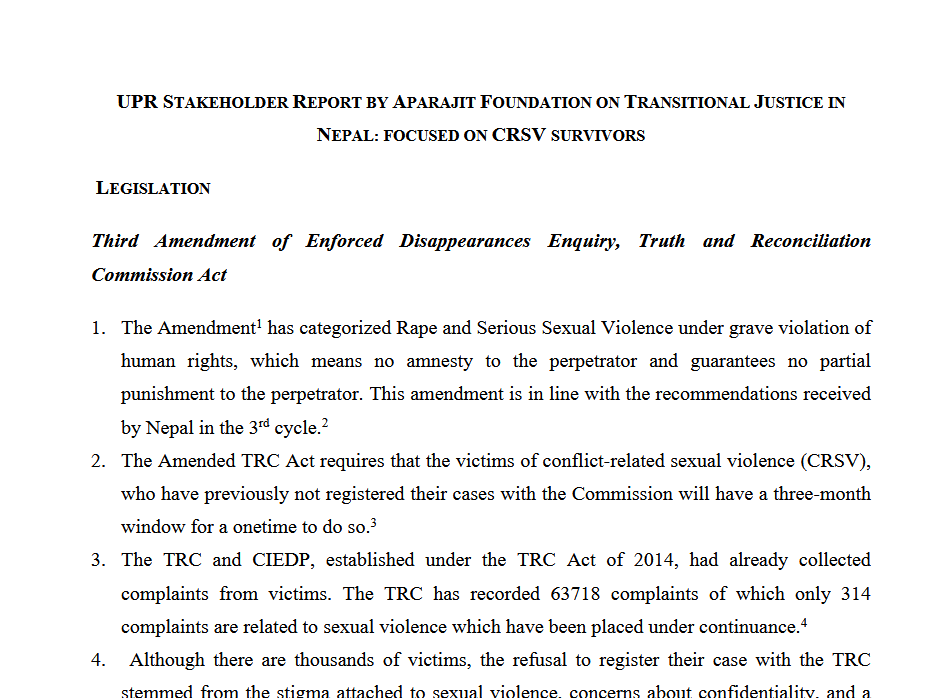
Universal Periodic Review 2025 (Stakeholder Submission)
-
Research Paper
-
Practice Research Paper
-

Research Paper
-

Investigation Practice Blog
-

Development Aid Approach Model
-

Training Resource/Framework
-
Training Event
-
Podcast Episode
-
Podcast Episode
-

Law and Policy Journal Article
-
Academic Article
-
Academic Article
-
Academic Article
-
Academic Article
-

Research Blog
-
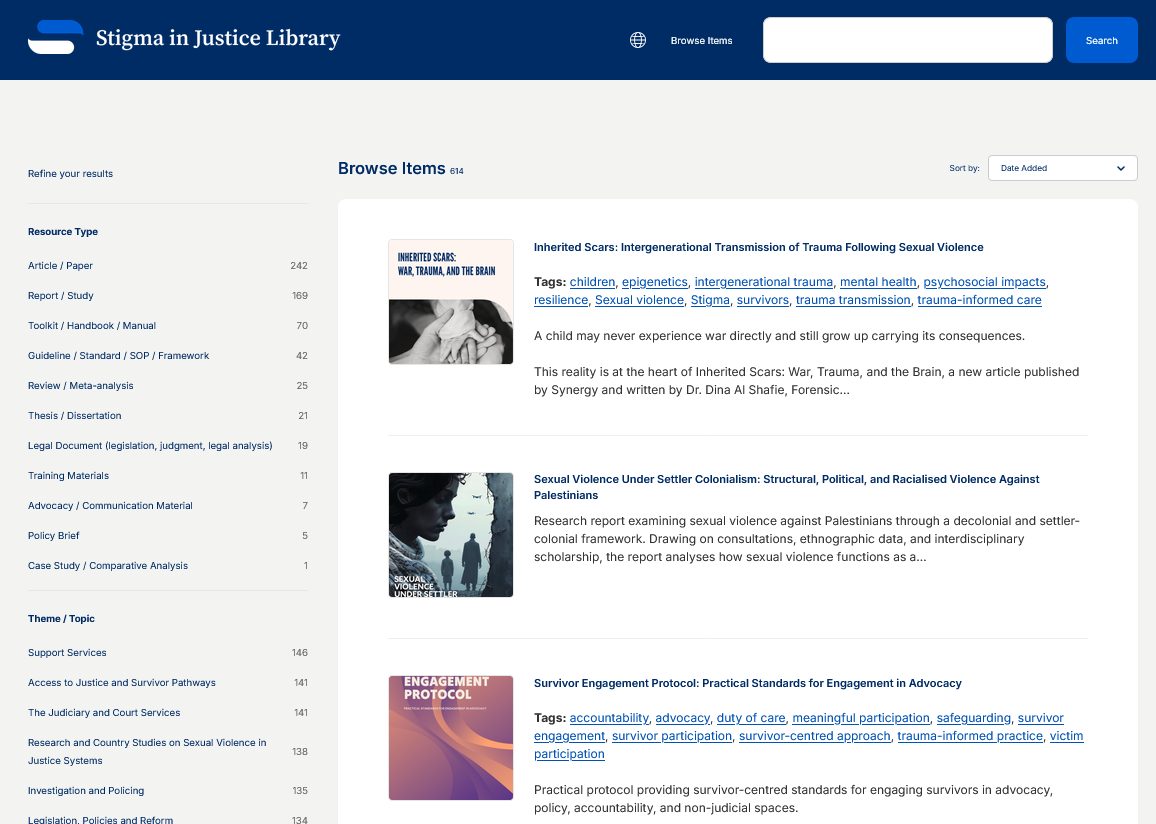
Stigma in Justice Library
-

Prosecution Network Online Resource
-

Safeguarding Support Hub Resource
-

Mental Health & Human Rights Support Hub Resource
-
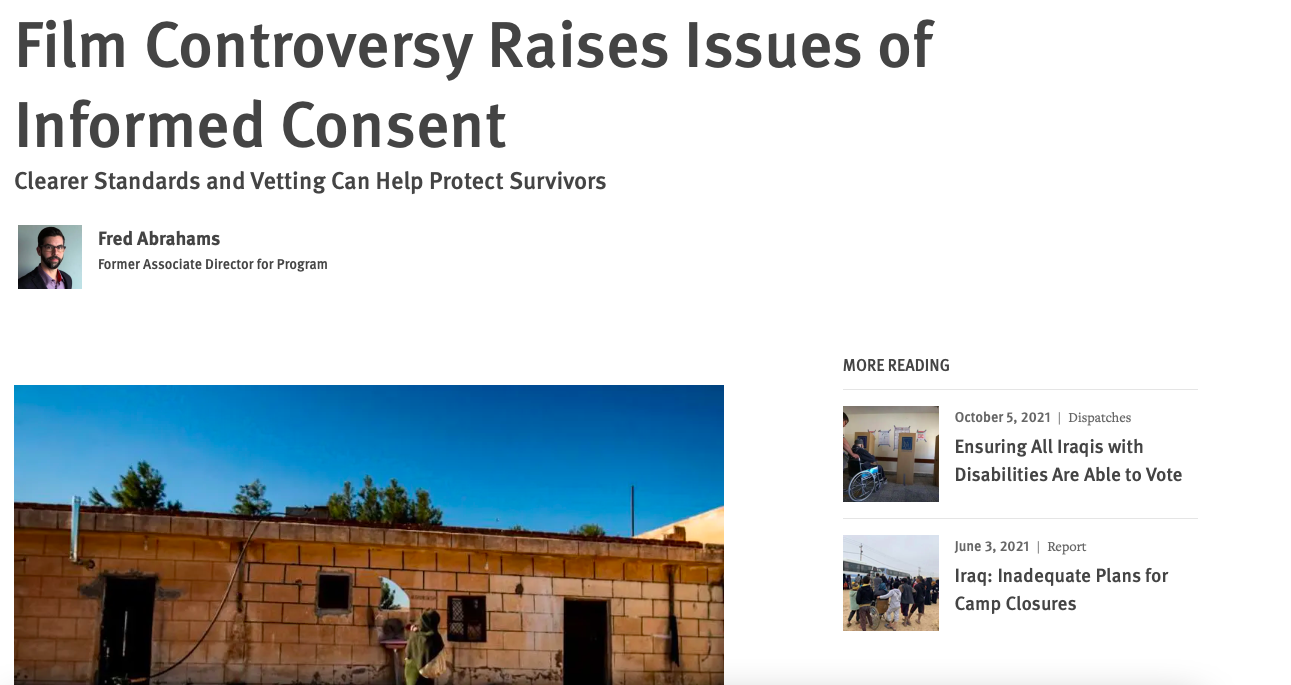
News Article
-
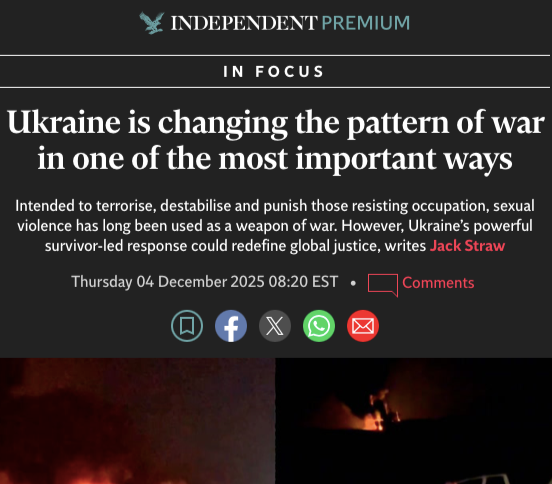
News Article